


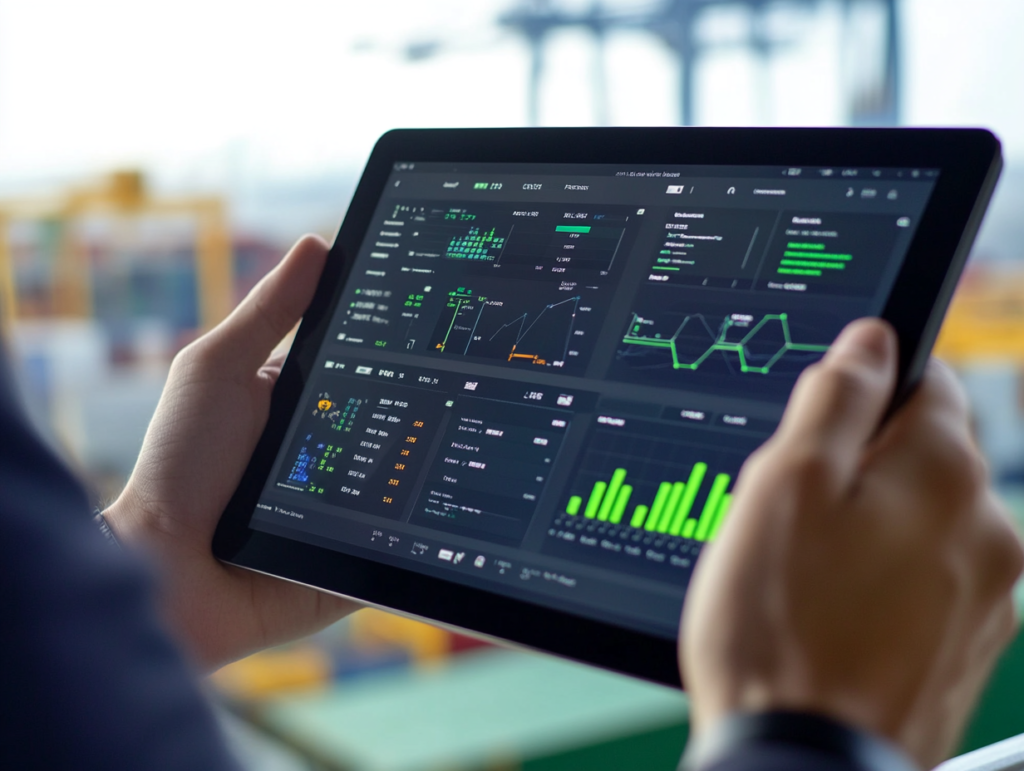
In an economic landscape characterized by rapid changes and high consumer expectations, supply chain optimization has become more crucial than ever. From enhancing efficiency to minimizing costs, businesses across the globe are continuously seeking innovative strategies to streamline their supply chain processes. This article delves into the multifaceted approach to supply chain optimization, covering essential elements such as supply chain process improvement, route optimization, demand forecasting & inventory management, cost reduction strategies, real-time tracking & monitoring, agile supply chains, sustainability, and end-to-end supply chain visibility.
Supply Chain Process Improvement
Supply Chain Process Improvement is the bedrock of optimizing supply chain operations. It involves the continuous evaluation and refinement of the supply chain’s components to boost efficiency and productivity. A focus on process improvement can lead to significant enhancements in procurement, manufacturing, distribution, and logistics. These improvements not only streamline operations but also improve customer satisfaction by ensuring that products are delivered in a timely and cost-effective manner.
Route Optimization
Route Optimization plays a pivotal role in reducing delivery times and fuel consumption, thus significantly impacting the supply chain’s carbon footprint and operational costs. By leveraging advanced algorithms and GPS data, companies can determine the most efficient delivery routes. This not only helps in reducing the time taken for products to reach their destination but also in improving the overall service quality offered to the end customers.

Demand Forecasting & Inventory Management
An accurate Demand Forecasting & Inventory Management system allows companies to predict future customer demand and manage inventory levels accordingly. By employing predictive analytics and machine learning algorithms, businesses can minimize stockouts and excess inventory, ensuring that the right products are available at the right time. This aspect of supply chain optimization helps in reducing holding costs and improving order fulfillment rates, thereby enhancing customer satisfaction.
Cost Reduction Strategies
Adopting Cost Reduction Strategies without compromising on quality is key to maintaining competitiveness. This can be achieved through various means, including bulk purchasing, renegotiating supplier contracts, and optimizing production schedules. By meticulously analyzing every facet of the supply chain for potential cost savings, companies can significantly improve their bottom line.
Real-Time Tracking & Monitoring
The advent of IoT (Internet of Things) has revolutionized Real-Time Tracking & Monitoring in the supply chain. This technology enables companies to monitor the movement of goods in real-time, providing unprecedented visibility into the supply chain. By identifying potential delays and issues as they happen, businesses can take proactive measures to mitigate risks and ensure timely delivery of products.
Agile Supply Chains
Agility in supply chains is about the ability to rapidly respond to changes in demand, supply, and market conditions. Agile Supply Chains are characterized by flexibility, adaptability, and balance. Implementing agile practices allows companies to swiftly adjust their operations, minimizing the impact of disruptions and capitalizing on emerging opportunities.
Sustainability in Supply Chain Optimization
Sustainability in Supply Chain Optimization has gained increased attention as both consumers and businesses become more environmentally conscious. This involves integrating eco-friendly practices, such as reducing waste, using sustainable materials, and minimizing emissions, into the supply chain. By focusing on sustainability, companies not only contribute to the well-being of the planet but also enhance their brand image and customer loyalty.
End-to-End Supply Chain Visibility
End-to-End Supply Chain Visibility is integral to achieving optimization. It enables companies to have a comprehensive view of their supply chain operations, from procurement to delivery. This visibility is crucial for identifying inefficiencies, ensuring compliance with regulations, and facilitating decision-making. With the use of cloud computing and blockchain technology, businesses can achieve greater transparency and traceability in their supply chains.
In conclusion, supply chain optimization is not a one-time endeavor but a continuous journey that requires commitment, innovation, and a strategic approach. By focusing on supply chain process improvement, route optimization, demand forecasting & inventory management, cost reduction strategies, real-time tracking & monitoring, agile supply chains, sustainability, and end-to-end supply chain visibility, businesses can enhance their operational efficiency, reduce costs, and improve customer satisfaction. As we move forward, the integration of technology and the adoption of sustainable practices will play a crucial role in shaping the future of supply chain optimization.
Discover the transformative impact of end-to-end digital supply chain networks on the worldwide distribution of goods and services.
Powered by Azon AutoSites

